
Self-Defense Fundamentals Training
Self-Defense Fundamentals is a four-hour training session built for real-world situations. The priority is prevention first and physical defense only when necessary.
This training is not sport-based and it is not technique collecting. It is practical awareness, boundary setting, and simple responses that work under stress.
Who This Workshop Is For
This workshop is designed for everyday people. You do not need experience, athletic ability, or a background in martial arts.
Duration and Training Format
- Standard format: 4 hours
- Methods: presentation, guided discussion, scenario work, and controlled physical practice
- Minimum age: 14 years old
Skills & Concepts Covered
1. Pre-incident indicators: spotting trouble before it starts
2. How offenders test boundaries and select targets
3. When to trust intuition and when to verify it
5. Managing fear and adrenaline under stress
6. Simple, effective physical techniques anyone can apply
8. Flashlight use and an overview of common protection tools
9. A complete strategy tied together through realistic scenarios
How the Training Is Structured
Phase 1: Detect and Deter
Participants learn how threats identify vulnerability and how to stop presenting it. Instruction goes beyond basic situational awareness and focuses on behavioral cues, transitional spaces, and practical avoidance.
Phase 2: De-escalate and Escape
This phase focuses on posture, eye contact, tone, and language. Participants learn how offenders “interview” for compliance and how to interrupt that process. Training includes controlled engagement, verbal boundary setting, and fear management under pressure.
Phase 3: Defend if Necessary
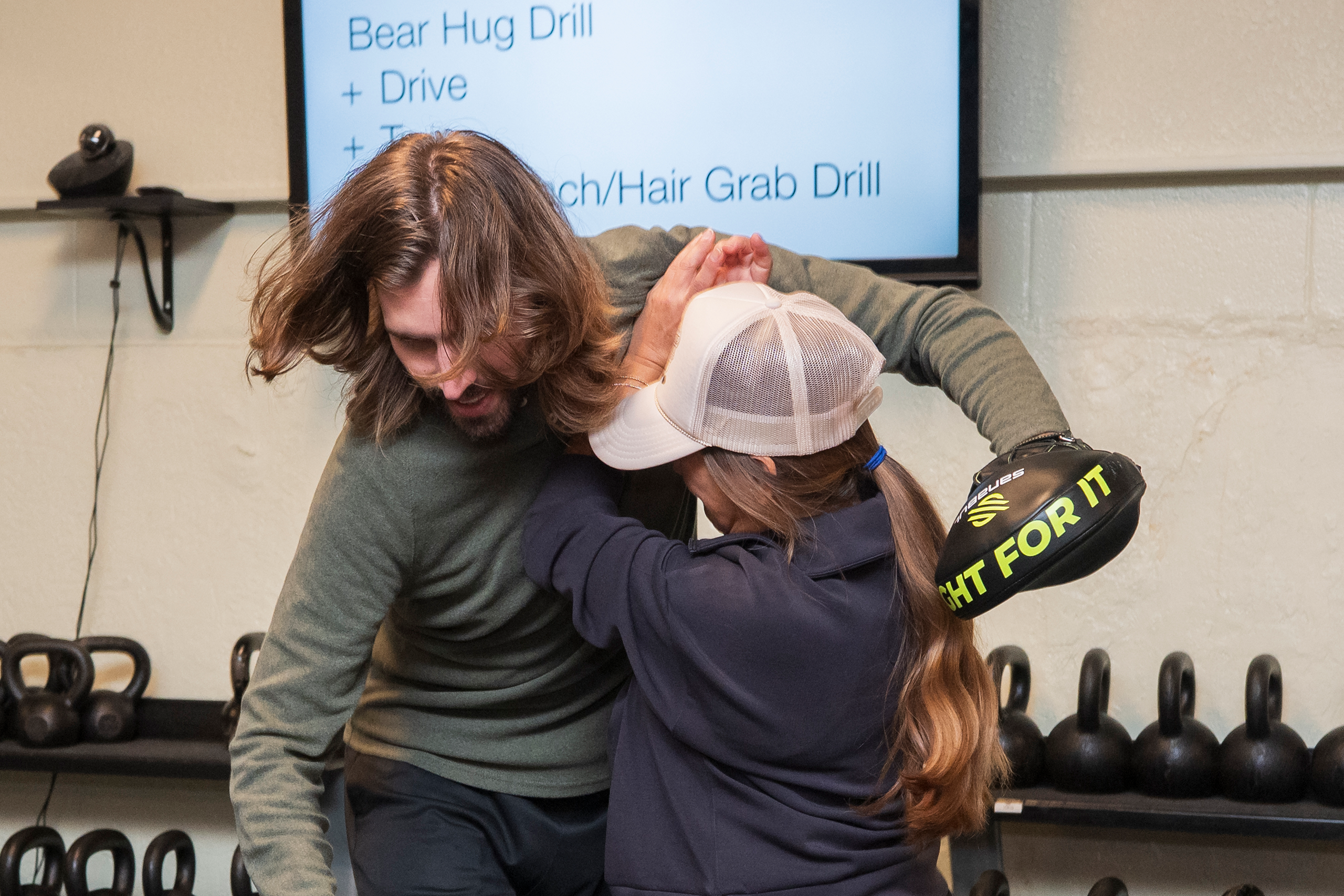
When avoidance and de-escalation fail, participants learn simple, high-percentage techniques aligned with natural stress responses. Legal and ethical considerations are addressed. Controlled physical exercises are conducted with instructors wearing protective gear.
What to Expect in Class
Training includes presentation, guided discussion, real-world case examples, scenario-based role play, and controlled physical practice.
Wear comfortable, active clothing. Some garments may be stretched during training.